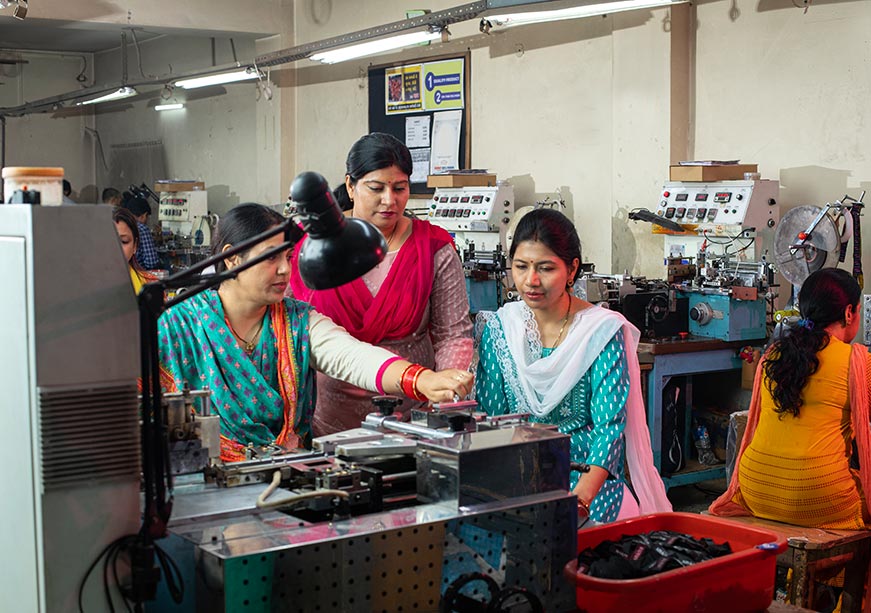
The informal economy has emerged as a significant feature of the global economic landscape. Often referred to as the "other path," it provides new income-generating opportunities for the poor while posing little threat to the wealthy. This sector is less capital-intensive, relies less on foreign exchange and technology, and offers avenues of employment for the less educated. However, it is also criticized as exploitative, repressive, and occasionally bordering on illegality, serving as a source of cheap goods and labor for mainstream economies.
Despite its criticisms, the informal economy has contributed to human security, gender equality, and economic growth. In India, it is the fastest-growing economic sector, employing approximately 110 million people as of 2022-23, or about 20% of the workforce. Women, in particular, have benefited from this sector, which has enabled them to break free from traditional patriarchal roles and gain financial independence.
Women now participate actively in sectors like sales, small trade, and services, earning incomes that enhance their families' welfare. These earnings often go toward essentials such as food, housing, education, and leisure. Access to income reduces dependency on male family members and provides women with greater control over their lives and decisions. Women's contributions to household finances have disrupted traditional patriarchal norms, giving them a more significant role in decision-making. Through their earnings, women can redefine their social identities, embracing modern lifestyles centered on work, fashion, and leisure.
While some women find financial success, others remain trapped in low-wage, exploitative jobs, reinforcing class divisions. Women are often employed for roles that capitalize on their physical appearance and soft skills, perpetuating traditional gender norms. Economic independence has led to conflicts in personal relationships, marital disputes, and family crises. Inadequate maternal involvement has also caused behavioral and academic issues among children. Economic disparities among women have grown, with affluent women enjoying privileges that starkly contrast with the struggles of poorer women.
The informal economy offers a complex blend of empowerment and disempowerment for women. While it has enabled many to assert their rights and redefine gender roles, it has also exacerbated class divisions and introduced new social challenges. To maximize the potential of this sector, it is crucial to address issues of exploitation, ensure fair wages, and provide support systems for women balancing work and family responsibilities. A balanced approach will help women in the informal economy achieve sustainable progress while fostering gender equality.
Comments
Post a Comment
NOTE: Hateful, abusive comments won't be published. -- Editor