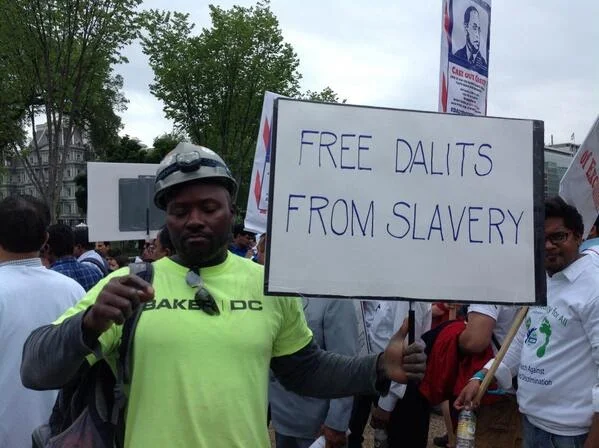
The International Commission for Dalit Rights (ICDR) and civil rights groups are concerned about increasing “caste-based” housing discrimination, harassment, and intimidation in the United States. In 2021, ICDR received more than 150 complaints from across the country alleging housing discrimination due to caste while attempting to rent or renting a house or apartment.
The ICDR received more than five calls each month from victims across the country complaining about caste-based discrimination in housing or renting processes. The ICDR advocacy team reviewed each complaint and verified the facts of the incidents.
The findings demonstrate that South Asian house owners, master tenants, and landlords often discriminate by asking renters about their caste while engaging in the negotiation. We found this occurred with victims in California, Colorado, Maryland, New Jersey, New York, Texas and other parts of the country.
The risk of caste-based housing discrimination in the United States is an ongoing problem and has likely increased as the population of South Asians in the United States has increased; there are currently almost 5.4 million people of South Asian descent in the United States. In a 2021 study, 77% of South Asian descent respondents reported experiencing some form of caste discrimination when being processed for housing.
Even outside housing negotiations, ICDR and other civil society groups have substantial documented evidence of dominant caste people discriminating against subordinate caste people, many of them “Dalits,” in every section of American society regardless of religion, nationality and profession.
On August 18, 2021, Sanjeev Bimali, a Nepali descent and a San Francisco, California landlord, denied renting an available unit to another Nepali descent on account of caste. Bimali initially agreed to rent his available unit for $900 per month to a renter (“the victim”), who was also a Nepali descent living in the same location.
Bimali asked for a $500 security deposit, which he received immediately from the victim through an electronic money transfer app. Both the victim and Bimali exchanged their phone numbers and agreed on a move-in date of September 1, 2021. About six hours later, Bimali contacted the victim to inform him that the unit was no longer available because family is coming from Nepal and current two renters would be disturbed, despite previously stating that the unit was available and the current renters would not have any problem.
The victim was shocked by the sudden change and asked Bimali what had happened? Bimali stated that his other renters threatened to leave if the new renter moved in. The victim felt “discriminated against, humiliated, and disturbed.”
While asking “why are you not renting available unit for me?”, Bimali responded without mentioning caste and noting there was no reason to discriminate, and that the victim was overthinking the incident. Bimali returned the security deposit and sent a screenshot of the transaction as a proof.
This testimonial is one example of the caste-based housing discrimination and harassment in the United States that ICDR and civil rights groups have observed. Clearly, Bimali refused to rent an available unit because of the victim’s caste.
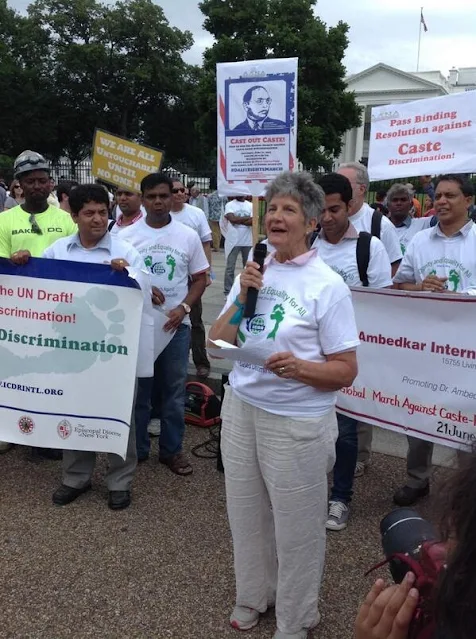
Caste discrimination is a form of ancestry, national origin, and racial discrimination. The concept of national origin, ancestry, and race discrimination are defined and embedded in US law and are sufficient grounds to protect individuals from caste-based housing discrimination. On December 22, 2021, California Attorney General Rob Bonta issued an alert reminding tenants of their fair housing rights and protections.
In a 2021 study, 77% of South Asian descent respondents reported experiencing some form of caste discrimination when being processed for housing
A number of state and federal laws prohibit discrimination in housing based on a person’s race, ethnicity, religion, national origin, ancestry, sex, gender, sexual orientation, disability, and other protected characteristics. It is illegal to be denied rental housing or to be treated differently based on caste/race, ancestry/ethnicity, or the color of your skin.
The federal Fair Housing Act prohibits discrimination in housing and housing-related services. The Fair Housing Act legally ensures that lies in the fact that brokers, sellers, lenders, and insurers cannot adopt discriminatory policies against people in the protected class. It seeks to ensure that nobody is discriminated against in property transactions on the basis of his or her protected class.
Despite these legal protections, “We must acknowledge that discrimination in housing continues today and that individuals, including people of color [caste] and those with disabilities, continue to be denied equal access to rental housing and homeownership,” said Secretary of Housing and Urban Development, Marcia L Fudge, in a press statement on June 25, 2021.
The ICDR has been gathering information for litigation against caste-based housing discrimination and harassment imposed by home owners and landlords who refuse to show or rent available properties to prospective tenants because of his or her caste, race, ancestry, or national origin. In such litigations, ICDR seeks an injunction against homeowners and landlords in order to stop their deceptive, unlawful, and discriminatory practices, as well as restitution and penalties for violating Fair Housing and non-discriminatory laws.
The victims and communities should not be silent but file a complaint with ICDR and the local, state, and federal agencies, such as the US Department of Housing and Urban Development (HUD).
---
*President/Founder, International Commission for Dalit Rights
The federal Fair Housing Act prohibits discrimination in housing and housing-related services. The Fair Housing Act legally ensures that lies in the fact that brokers, sellers, lenders, and insurers cannot adopt discriminatory policies against people in the protected class. It seeks to ensure that nobody is discriminated against in property transactions on the basis of his or her protected class.
Despite these legal protections, “We must acknowledge that discrimination in housing continues today and that individuals, including people of color [caste] and those with disabilities, continue to be denied equal access to rental housing and homeownership,” said Secretary of Housing and Urban Development, Marcia L Fudge, in a press statement on June 25, 2021.
The ICDR has been gathering information for litigation against caste-based housing discrimination and harassment imposed by home owners and landlords who refuse to show or rent available properties to prospective tenants because of his or her caste, race, ancestry, or national origin. In such litigations, ICDR seeks an injunction against homeowners and landlords in order to stop their deceptive, unlawful, and discriminatory practices, as well as restitution and penalties for violating Fair Housing and non-discriminatory laws.
The victims and communities should not be silent but file a complaint with ICDR and the local, state, and federal agencies, such as the US Department of Housing and Urban Development (HUD).
---
*President/Founder, International Commission for Dalit Rights
Comments
Post a Comment
NOTE: Hateful, abusive comments won't be published. -- Editor