
Bringing more instances of how the security personnel along the borders in West Bengal refuse to probe the human trafficking angle while arresting Bangladeshi women, human rights leader Kirity Roy has said, they are treated as accused in violation of the memorandum of understanding (MoU) between the Government of India and the Government of Bangladesh on Bilateral Cooperation for Preventing of Human Trafficking, especially trafficking in Women and Children.
In a letter to the chairman, National Human Rights Commission (NHRC), Roy, secretary, Banglar Manabadhikar Suraksha Mancha (MASUM), and national convenor, Programme Against Custodial Torture & Impunity (PACTI), Hooghly, said, “The victims should be immediately repatriated to their own country and the criminal charges against them must be withdrawn at the earliest”, insisting, “The matters must be handled by the police or the BSF personnel with a human approach.”
Text:
I am writing this complaint regarding detention of Bangladeshi women in West Bengal and accusing and treating them as criminals under Foreigners Act, 1946. For a long time MASUM has been trying to bring this systematic violation of laws by the BSF and police administration into light by making numerous complaints to the NHRC and other relevant departments. The authorities including police and Border Security Force (BSF) are not at all concerned to initiate proper investigation into whether the persons including women and children crossed the border from Bangladesh to India were the victims of human trafficking or not. Here I am appending two case details for your perusal.Case 1:
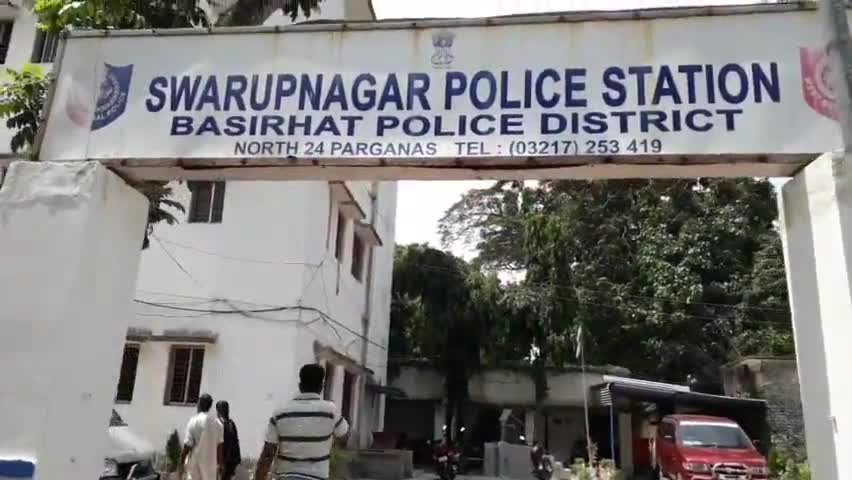
In connection with Swarupnagar Police Station Case no. 496/2022 dated 17.05.2022 under section 14 of Foreigners Act, the following Bangladeshi woman was arrested:> Ms. Rokeya Sheikh, wife of Suhag Sheikh, Aged- 30 years, residential address: - Village – Bombar, Police Station – Kaliya, District – Narail, Bangladesh
The accused person is a Bangladeshi national, who was trying to enter India from Bangladesh on 16.05.2022 at around 07:50 p.m. and was apprehended by BSF personnel attached with ‘D’ coy of 112 Battalion, Hakimpur BSF BOP and the next day at 04:45 a.m. she was handed over to the Swarupnagar Police Station.
For more than 8 hours she was under BSF custody whereas the distance between the said BOP and the police station is only 15 kilometers. General rule is BSF has to inform the concerned police regarding the apprehension of any accused as early as possible after the apprehension. On 17.05.2022 the victim was produced before the Basirhat Additional Chief Judicial Magistrate Court escorted only with male police personnel.
The magistrate sent them to the Dum Dum Central Correctional Home for 14-day jail custody. As per the Article number 2 under II definition MoU of between the Government of the Republic of India and the Government of the People’s Republic of Bangladesh on Bilateral Cooperation for Preventing of Human Trafficking especially trafficking in Women and Children; signed by both countries on 30th May 2015, trafficking in women and children shall mean selling, buying, recruitment, receipt, transportation, transfer or harbouring of any person for the purpose of sexual exploitation, labour exploitation, forced labour or services, slavery or practices similar to slavery servitude or the removal of the organs or any other form of exploitation. Therefore, how was the victim treated as accused and sent to jail custody by the court?
Case 2:
In connection with Swarupnagar Police Station Case no. 494/2022 dated 16.05.2022 under section 14 of Foreigners Act, the following Bangladeshi woman along with her children was arrested:> Ms. Sahnaz Fakir, wife of Mr. Hassan Fakir, Aged- 45 years, residential address: - Village – Isamati, Police Station – Abhaynagar, District – Jessore, Bangladesh
The victim was a Bangladeshi national, who was trying to enter India from Bangladesh on 16.05.2022 at around 5.40 p.m. when she was apprehended by BSF personnel attached with 'C' Company of 112 Battalion, Tarali BSF BOP and later handed over to the Swarupnagar Police Station. Ms. Sahnaz Fakir was produced before the Basirhat ACJM court on 17.05.2022 and sent to the Dumdum Central Correctional Home for 14-day jail custody. Moreover, she was also escorted by male police personnel to the court.’
Till the repatriation they must be kept in an appropriate children’s home, or Ujjawala home. In reality, police or BSF personnel or the concerned court never attempt to initiate any investigation whether these Bangladeshi persons are the victims of human trafficking or not. Additionally, the victims are kept in the correctional home.
From other several instances it is also found that the people of Bangladesh illegally enter India for the purpose of medical treatment as they have very limited facilities in their native place. Cross border trafficking is very organized crime where touts or middlemen are operating in connivance with border guards of both sides, India and Bangladesh. These helpless Bangladeshi persons enter India for better livelihood or for medical treatment purposes but when they are arrested; they are treated as accused under the Foreigners Act.
This approach is also violating the Article 6, 7, 8, 11 and 12 of the MoU between the Government of the Republic of India and the Government of the People’s Republic of Bangladesh on Bilateral Cooperation for Preventing of Human Trafficking especially trafficking in Women and Children; signed by both countries on 30th May 2015.
The incidents are not only violating the advisory of Government of India but are also in violation of Goal Number 16 of Sustainable Development Goals of UN, Government of India is a party to set the goals and obliged to adhere to the same.
Under the circumstances I request your urgent intervention in this case to bring justice to the victims by taking the necessary actions:
- The police or BSF personnel or the concerned court must initiate to investigate whether these Bangladeshi persons are the victims of human trafficking or not
- The victims should be immediately repatriated to their own country and the criminal charges against them must be withdrawn at the earliest
- The victims should be transferred to an appropriate home from the Dumdum correctional home at the earliest
- Government should initiate a series of sensitization programs for police personnel, BSF personnel and other legal authorities in the area of human rights, trafficking, repatriation and restoration and JJ Act
- The matters must be handled by the police or the BSF personnel with human approach
Comments
Post a Comment
NOTE: Hateful, abusive comments won't be published. -- Editor