By Moin Qazi*
Nagpur has been a traditional and fertile hub for voluntary organizations and social workers. It has been home to a number of activists whose social chromosomes have inspired them to undertake humanitarian work for their fellow brethren. The result is a confluence of so many rivulets of social activism which have merged into a vibrant social movement .This is one reason why several reformist crusades had their birth in the region.
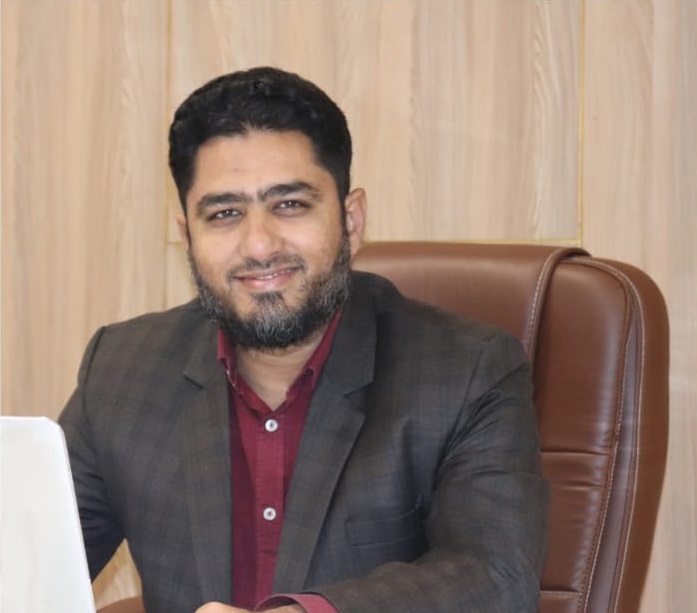
A member of this social corps who has carved a space for himself through his committed service to the community’s underprivileged is Salman Ahmed. His social vehicle, Fikr Foundation which he founded in 2011, has been supporting wide ranging causes both at the individual and community level. His sister-in-law Dr Saba Ahmed is a pediatrician and manages the organization’s periodical health camps for children.
Relief and rehabilitation are the key activities of the organization. There are several slum pockets in Nagpur where rains are a regular hazard. Salman has developed a strategy over the years for rehabilitating the displaced population. House repair and medical expenses are two areas which consume a fair portion of the organization’s charity resource. Fikr Foundation also supports widows and orphans and provides aid for marriages of girls from indigent families. The organization’s support is in the form of transfer of relief amounts to the accounts of beneficiaries. Funding for the charity is mobilized through voluntary donations from family and friends.
The organizational skills of the Fikr Foundation proved very useful during the lockdown following the outbreak of covid. Foodgrains and other essential items had to be mobilized and then distributed to low income families whose livelihoods wee suddenly uprooted. A campaign was also launched for linking people with the Public Distribution System so that government relief material could be made available to them.
Salman is passionate about making education accessible for the slum population. Apart from running English classes for slum children he is also funding the higher education of aspiring and brilliant students who cannot afford the growing educational expenses .He also supports vendors to set up their own microenterprises .
Salman is an active advocate of shariah-compliant finance .He is also a vociferous campaigner for civil liberties and is actively associated with several national organisatons . Salman has himself co-moderated several national policy discussions.
—
*Development expert
Comments
Post a Comment
NOTE: Hateful, abusive comments won't be published. -- Editor