
By Vidya Bhushan Rawat*
The new parliament building opened on February 28. However, it looked as if it is not Parliament but part of Pratinidhisabhas started by erstwhile princely states in India. The BJP for long has been acting as if India is a kingdom and Narendra Modi the new king of India. Even at the coronations of kings, you find a large number of people and dignitaries, but look at the opening ceremony -- we had only one face as if he built everything.
Modi and BJP have always loved #dynasts provided they are Brahminical in nature. All the heroes of the Sangh Parivar and Hindutva are actually dynasts and not really those who emerged from democratic struggle. They hate Jawaharlal Nehru only because he converted India to a secular democracy where people alone matter. Nehru would have turned a dictator and anointed himself as the king of India, if he had desired, but he opted for political democracy.
Many blame Nehru for being arrogant and Brahminical in his views, but there is a huge difference between Nehru, his thoughts and actions, and those of the Sangh Parivar. Those who think that Nehru and RSS are the same are actually helping the cause of Hindutva in disguise. You cannot defend the indefensible. Nehru accepted Ashok Chakra as the symbol of our republic.
Indeed, if Nehru had agreed to all that is being termed about Sengol then people like Rajagopalachari would have been happier, but he never opted for the symbol of kingdom for our new republic. The real issue is, Modi and BJP don't have much respect for history of modern India, as their organisation and leaders were on the wrong side during the struggle for freedom. They cannot erase this fact.
Hence, they go about reinventing and redirecting historical facts. And for this, they go about highlighting how great was 'Hindu' -- actually Brahminical or upper caste -- kingdom. It is a fact that Sengol has nothing to do with Cholas and more with a Mutth in Tamil Nadu. Tody this Mutth is dominated by the powerful Vellalar community.
Indeed, if Nehru had agreed to all that is being termed about Sengol then people like Rajagopalachari would have been happier, but he never opted for the symbol of kingdom for our new republic. The real issue is, Modi and BJP don't have much respect for history of modern India, as their organisation and leaders were on the wrong side during the struggle for freedom. They cannot erase this fact.
Hence, they go about reinventing and redirecting historical facts. And for this, they go about highlighting how great was 'Hindu' -- actually Brahminical or upper caste -- kingdom. It is a fact that Sengol has nothing to do with Cholas and more with a Mutth in Tamil Nadu. Tody this Mutth is dominated by the powerful Vellalar community.
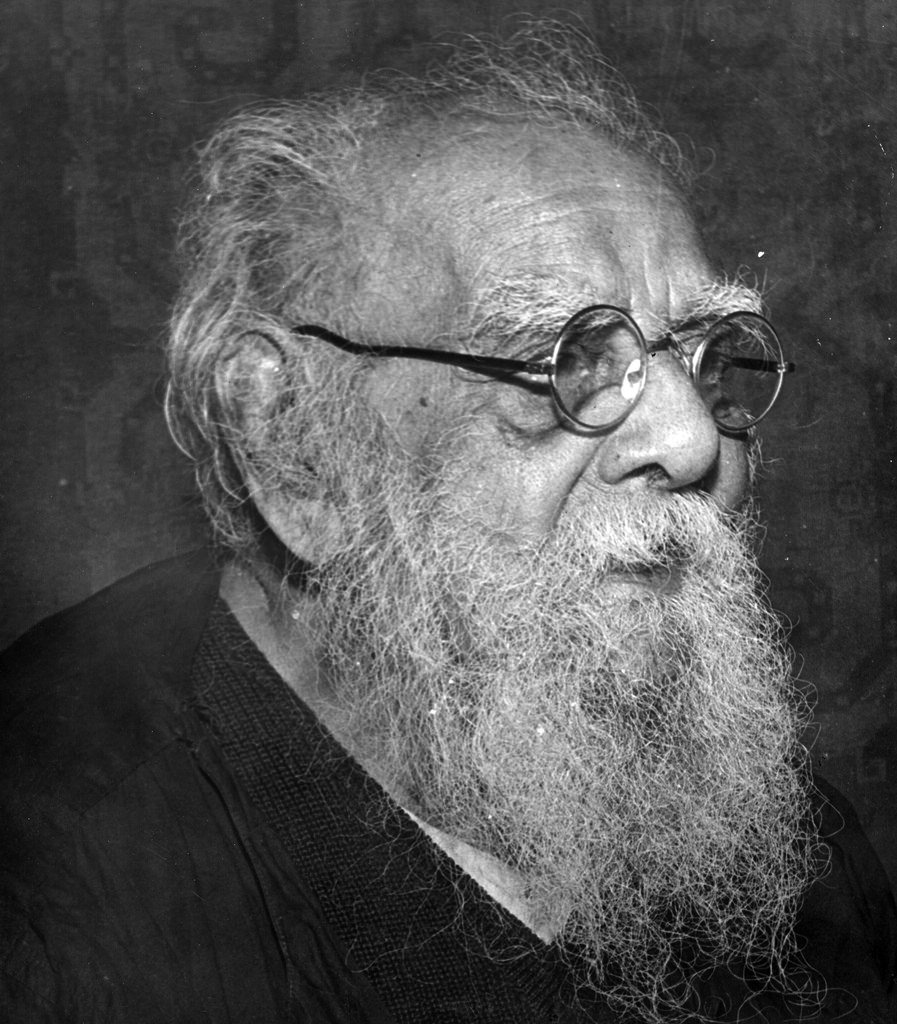 |
| Periyar |
The reason is simple. Its political success has reached at a saturation point in North India, where already there are contours of resurgence of Mandal forces. South has remained out of bounds for BJP. However, the party bosses think they have not lost everything. It is banking on the savarna hegemony, visible in all walks of life.
In the post-Mandal era, already, Dalits and OBCs have developed an all-India agenda. BJP, on the other hand, believes, today, savarnas, especially Brahmins, have got an all India liking for the party, known for being an expert in exploiting the insecurities of the upper castes. The whole Sengol thing is not merely meant for the new Parliament. BJP will forget it after it is used during the 2024 polls in order to blame Nehru for everything. DMK should remember: BJP will take up the challenge in Tamil Nadu and use it to denigrate the Dravidian movement.
Already, seers from Tamil Nadu, Kerala, Karnataka etc. are being used to propagate the Hindutva ideology. It is time for political parties to be careful and reach out to the people. They shouldn't allow themselves to be trapped in the Sangh Parivar propaganda to polarise people. Periyar's agenda is powerful enough. However, the Dravidian parties and those associate with it support caste violence and don't allow Dalits to live their life with dignity and self respect. They are falling in the BJP trap.
The whole drama is for the 2024 Lok Sabha polls. Opposition parts should fight the cause of India with inclusive politics. They must fight hatred and replace it with love and inclusive ideals. They must fight for the idea of India as espoused by our constitutional forefathers. They must let the secular socialist democratic republic of India live long and provide space and equal opportunities for all.
---
*Human rights defender
Another brahmin hating journalist.Disgusting article!!!
ReplyDeleteNote: I hate Modi too.
Adheenams sanyasis are non brahmins only,,
ReplyDeleteHere the word is Brahminacal, not Brahmin. The writer is criticising the Brahminical nature of the event -- an effort to appease the upper political caste in view of the ensuing polls, a requirement after Karnataka debacle
ReplyDelete