
The civil rights group Jharkhand Janadhikar Mahasabha (JJM), in a survey of the State's "innocent" Adivasi-Mulvasis who have been "falsely accused" under the Unlawful Activities Prevention Act (UAPA) and of being Maoist itself derails their lives, has said that the accusation has virtually "derailed their lives."
Most of them casual workers, illiterate, and burdened with debt, JJM said, "Whenever any incident of violence (by Maoists or others) takes place, the police add the names of a few innocent Adivasi-Moolvasi persons in the FIR merely on the basis of doubt." Often, the police "present innocent persons as culprits just for the sake of showing their work".
JMM note:
Jharkhand Janadhikar Mahasabha, along with several of its member organisations (Adivasi-Moolvasi Adhikar Manch, Bokaro, Adivasi Women’s Network, Bagaicha, etc.) undertook a survey of 31 innocent Adivasi-Mulvasi persons, who have been accused as ‘Maoists’ and charged under the Unlawful Activities Prevention Act (UAPA), in Gomia and Nawadih Blocks of Bokaro district, during August 2022 to January 2022.The purpose of the survey was to understand the situation of the accused and the struggles his/her family undergoes, the process of wrongly accusing a person and incarcerating him/her and so on. The findings of the survey are mind-boggling.
All the surveyed persons have been accused of being Maoists / cooperating with them / being involved in violent incidents that may have been executed by Maoists. In most of the cases, different sections of the UAPA and several sections of the IPC including 17CLA have been used. In many cases the Explosives Act was also used. The persecuted and their families have no idea about most of the acts used against them. Many of them have not even heard about UAPA.
All the 31 surveyed persons have categorically stated that they had no connection with Maoists or had any role in any incident executed by them. Most of them live in forested villages and Maoists used to visit these villages. Such visits by Maoists used to be more frequent earlier, but nowadays they are rare. Sometimes, the villagers were forced to feed Maoists on their visits.
Cases against 16 persons were registered before 2014. Cases against nine of the 31 were registered during 2014-2019 and against three post-2019.
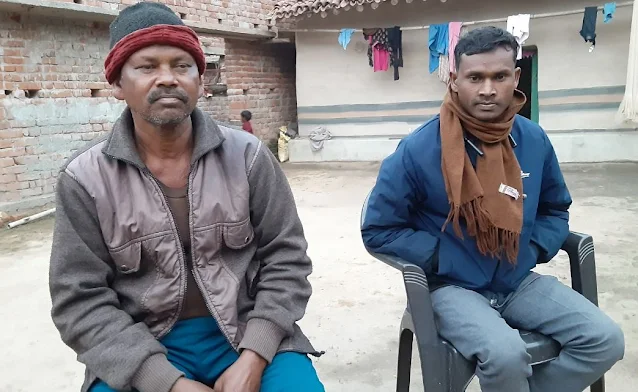 According to the data of 22 respondents, the accused persons spent an average of two years in the jail. Many spent more than five years in the jail. It is crucial to note that after spending several years in jail as an undertrial, many are getting acquitted one by one. Out of 29 persecuted, nine have been acquitted in all cases that were foisted on them and 20 of them have at least one case each to be still cleared of; and hence, they are still under trial.
Cases against 16 persons were registered before 2014. Cases against nine of the 31 were registered during 2014-2019 and against three post-2019.

None of the accused has any document related to the case (such as FIR copy, case diary and so on). All the documents have been kept by their advocates. Hence, several of them are not even aware of the details of their cases.
The main sources of livelihood of the surveyed persons are agriculture and casual labour. Several of them are very poor. Out of the 31 persons surveyed, 18 are illiterate or can barely read. The cases have worsened their socio-economic situation. Many families had to sell their livestock and mortgage a portion of their land.
Many took loans from their relatives and other villagers to meet the expenses. These cases affected their children’s education; some had to drop out. Based on the expenditure incurred by the 28 respondents in their cases, every respondent had to spend Rs 90,000 (avg) to meet the expenses of the cases. Those accused in multiple cases, who had to be in jail for many years, had to spend up to Rs 300,000.
The main sources of livelihood of the surveyed persons are agriculture and casual labour. Several of them are very poor. Out of the 31 persons surveyed, 18 are illiterate or can barely read. The cases have worsened their socio-economic situation. Many families had to sell their livestock and mortgage a portion of their land.
Many took loans from their relatives and other villagers to meet the expenses. These cases affected their children’s education; some had to drop out. Based on the expenditure incurred by the 28 respondents in their cases, every respondent had to spend Rs 90,000 (avg) to meet the expenses of the cases. Those accused in multiple cases, who had to be in jail for many years, had to spend up to Rs 300,000.
It is clear from the analysis of the cases that whenever any incident of violence (by Maoists or others) takes place, the police add the names of a few innocent Adivasi-Moolvasi persons in the FIR merely on the basis of doubt.
Moreover, if anyone’s name gets added to any incident or case, next time when a similar incident occurs in the same locality the police again invariably include that person’s name in the FIR. It is also clear that sometimes the police present innocent persons as culprits just for the sake of showing their work.
Furthermore, the police neither files chargesheet on time at the local court nor does the court conduct a timely trial. The victims have negligible knowledge of the legal complexities and they rarely get correct and adequate legal aid. As a result, the innocent remains an under trial for years and have to struggle endlessly to be declared acquitted. In most cases, their innocence is established after several years.
The practice of accusing, implicating, forcing and incarcerating innocent and economically poor persons in cases such as these raise serious questions about the functioning of the police. Also the local courts’ routine rejection of bail petitions by the accused raises questions about the legal justice system. It takes many years for a falsely accused person to be acquitted. It is also evident that UAPA has a major role in this persecution.
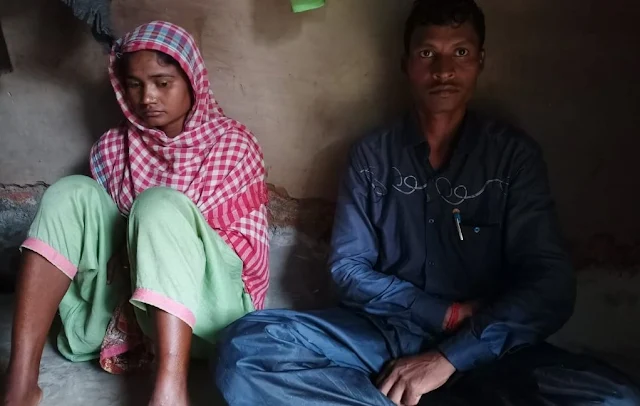 These 31 cases of persecution are just examples of thousands of Dalits, Adivasis and other deprived persons in Jharkhand being falsely implicated, booked under sections of UAPA and after having wasted many precious years of their life in jail.
Moreover, if anyone’s name gets added to any incident or case, next time when a similar incident occurs in the same locality the police again invariably include that person’s name in the FIR. It is also clear that sometimes the police present innocent persons as culprits just for the sake of showing their work.
Furthermore, the police neither files chargesheet on time at the local court nor does the court conduct a timely trial. The victims have negligible knowledge of the legal complexities and they rarely get correct and adequate legal aid. As a result, the innocent remains an under trial for years and have to struggle endlessly to be declared acquitted. In most cases, their innocence is established after several years.
The practice of accusing, implicating, forcing and incarcerating innocent and economically poor persons in cases such as these raise serious questions about the functioning of the police. Also the local courts’ routine rejection of bail petitions by the accused raises questions about the legal justice system. It takes many years for a falsely accused person to be acquitted. It is also evident that UAPA has a major role in this persecution.

The earlier state government had falsely charged many Adivasis, poor and other marginalised groups and booked them under sections of UAPA and sedition. As per government statistics, there was 138% increase in cases booked under UAPA during 2015-2019.
The actual number of such cases might be much more. It is unfortunate that in 2020 as well 88 cases were filed under UAPA in the state. Poor and innocent villagers continue to be persecuted with such false cases.
Jharkhand Janadhikar Mahasabha demands the following from the Jharkhand government:
The actual number of such cases might be much more. It is unfortunate that in 2020 as well 88 cases were filed under UAPA in the state. Poor and innocent villagers continue to be persecuted with such false cases.
Jharkhand Janadhikar Mahasabha demands the following from the Jharkhand government:
- All cases filed against these 31 surveyed persons should be quashed. These persons should be adequately compensated for their years of persecution and family members should be given government jobs. The police officers responsible for committing these atrocities on Adivasis and other marginalsied must be punished.
- There are several such cases in Gomia and other areas of the state. The government must constitute a judicial inquiry to for an independent investigation into these cases.
- The local administration and the police forces should be strictly instructed not to harass, persecute and exploit economically poor people, especially Adivasis. The CRPF, police and other security agencies should not be allowed to harass people in the name of ‘anti-Maoist operations’.
- Stop the use of UAPA and sedition section in the state. Central government should withdraw UAPA.
- Reform the police force. No Adivasi and deprived person should be accused and implicated under any violent or Maoist incident just because the villagers might have been forced to feed Maoists.
Comments
bernard kohn
kohnbernard3@gmail.com