New York journalists' body seeks immediate release of Chhattisgarh reporter, criticizes attack on free speech
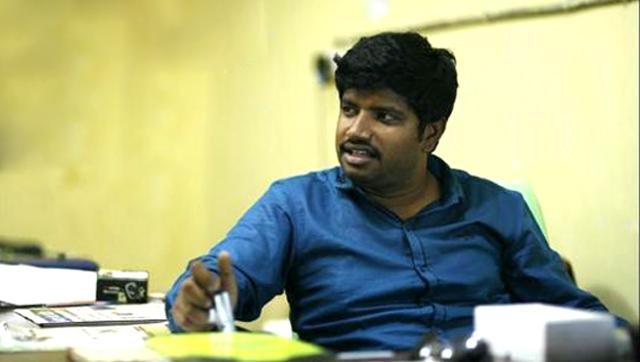
The Influential New York-based Committee to Protect Journalists (CPJ), an independent, nonprofit organization that promotes press freedom worldwide, has “immediately release” of Prabhat Singh, a reporter for the Hindi daily Patrika, who was arrested in the south Bastar region of Chhattisgarh on Monday.
Seeking investigation into the claim that he was mistreated in custody, a CPJ statement said, “Singh's arrest comes as two journalists were forced to flee the region, and two others have been jailed for months”, adding the arrest is “another sign of deteriorating climate for press in Chhattisgarh”.
Arrested under Section 67 of India's Information Technology (IT) Act in response to a complaint that he circulated "confrontational material" on the messaging service, WhatsApp, a local court has ordered Singh to be held in custody until March 30.
“Singh also faces charges from several cases police have filed against him in recent months, accusing him of forgery and cheating”, CPJ said quoting news reports in India, adding, “Singh has denied the previous allegations and said the cases were in reprisal for his critical reporting.” Chhattisgarh is ruled by BJP chief minister Raman Singh.
CPJ's Asia program senior research associate, Sumit Galhotra said, "The arrests and hounding of journalists and their defenders has given way to a climate of fear that risks turning parts of Chhattisgarh into a media black hole."
“Singh, who has worked for Patrika for more than three years, reports on sensitive stories, including an attack last month on human rights activist Soni Sori and alleged extrajudicial killings in the state, news reports said. He also raised critical questions of high-ranking police officers in news conferences”, CPJ said, referring to a Hindustan Times report.
“Vishnu Singh, the journalist's brother, told CPJ that Singh told him he had been beaten in police custody. He said that when he saw his brother today, the journalist had bruises on his hands and chest area. Vishnu Singh added that his brother told him he had been deprived of food in custody”, CPJ said, but regretted, “Several phone numbers listed in the police directory to seek police comment but no one answered.”
Quoting Singh's colleagues, CPJ said, “Men in plainclothes, whom they recognized as police, took the journalist from the paper's office in Dantewada district Monday evening. Colleagues searched for him, but Singh's whereabouts were not known until his court appearance”, which happened on March 22.
Earlier this month, CJP said, “Singh filed a complaint with Dantewada police against Samajik Ekta Manch, a group of activists that has previously harassed journalists, for labeling him an ‘anti-national’ on WhatsApp, according to reports.”
“Journalists and lawyers told CPJ during a visit to Chhattisgarh this month that there is a sustained campaign to silence critical reporting in parts of the state. The region has been the scene of a decades-long conflict between the security forces and Maoists”, the CPJ said, adding, “CPJ documented how BBC Hindi Service reporter Alok Prakash Putul and freelancer Malini Subramaniam were forced to flee Bastar last month over concern for their safety.”
“Subramaniam had been harassed by members of Samajik Ekta Manch”, CPJ said, adding,
“The lawyers of a legal aid clinic representing imprisoned journalists Somaru Nag and Santosh Yadav, whom Chhattisgarh police arrested in 2015 on unsubstantiated allegations that they were aligned with Maoists, were also forced to leave the area. Both Nag and Yadav remain behind bars.”
Comments