Serving Air Marshals join Rafale dogfight. Serving whom? Decision to buy fighters taken without consulting IAF

We have a tradition in India, actually a discipline, that officers in uniform don’t take part even in political discussions let alone debates, which are mostly about scoring points. But we recently saw that tradition breached when two senior Indian Air Force officers spoke to television about the ongoing contretemps over the purchase of 36 Rafale fighters from France’s Dassault Aviation.
The Vice Chief of the IAF, Air Marshal SB Deo, an accomplished officer who designs and builds smart weapons in his front yard for a hobby, speaking to the media on the sidelines of a recent Centre for Air Power Studies (CAPS) and Confederation of India Industries (CII) seminar said: “Those criticizing the deal must understand the procurement procedure. It is a beautiful aircraft. It is a very capable aircraft and we are waiting to fly it.”
The Rafale was chosen after a grueling process to pick a fighter out of six contenders for original 126 multi-role combat aircraft (MRCA) requirement. That has now been truncated to just 36 completely built up units. There is no question raised about the quality and capability of the Rafale. But as far as the procurement procedure is concerned, I doubt if the Air Marshal himself understands it, for strange are the ways of governments. But it nevertheless was a well-crafted statement and he kept within the folds of the envelope persons in uniforms are required to be within.
But his junior, the Deputy Chief Air Marshal Raghunath Nambiar, speaking to reporters at the 8th Heli- Power seminar said: “Those who are claiming such numbers, I think they are misinformed and probably not aware of the facts that are known to us in the Indian Air Force. As we are the ones who were very much part of the negotiations with the French government. And we have the facts with us. And, I don’t think what is being alleged matches up with facts at all. I can tell you that the Rafale that we have gone for is substantially lower than the price that was on the table in 2008.”
He is talking rubbish. The decision to buy 36 Rafale’s was made without consulting the IAF. Even the then Foreign Secretary, travelling with PM Modi didn’t know. Perhaps only Modi, Doval and Anil Ambani knew. But more important than that is that Nambiar was thus imputing, wittingly or unwittingly, that the previous price fixed was substantially inflated. Nambiar even ventured the figure now as being “40% cheaper.” What made him put himself squarely in the centre of a political fracas is probably best known to him?
Now here are the facts as known to lesser mortals. The IAF was hoping for a minimum of four squadrons of Rafale fighters, but the Narendra Modi government has kept the initial order down to 36 fighters in a flyaway condition for 7.8 billion euros or $9.13 billion (@1 euro=$1.17). Commenting on this, the officer who headed the intensive selection process that led to the choice of the Rafale, Air Marshal (retd) M Matheswaran pointedly observed: "The original MRCA tender was cleared for $10.5 billion for 126 aircraft”.
The Rafale was chosen after a grueling process to pick a fighter out of six contenders for original 126 multi-role combat aircraft (MRCA) requirement. That has now been truncated to just 36 completely built up units. There is no question raised about the quality and capability of the Rafale. But as far as the procurement procedure is concerned, I doubt if the Air Marshal himself understands it, for strange are the ways of governments. But it nevertheless was a well-crafted statement and he kept within the folds of the envelope persons in uniforms are required to be within.
But his junior, the Deputy Chief Air Marshal Raghunath Nambiar, speaking to reporters at the 8th Heli- Power seminar said: “Those who are claiming such numbers, I think they are misinformed and probably not aware of the facts that are known to us in the Indian Air Force. As we are the ones who were very much part of the negotiations with the French government. And we have the facts with us. And, I don’t think what is being alleged matches up with facts at all. I can tell you that the Rafale that we have gone for is substantially lower than the price that was on the table in 2008.”
He is talking rubbish. The decision to buy 36 Rafale’s was made without consulting the IAF. Even the then Foreign Secretary, travelling with PM Modi didn’t know. Perhaps only Modi, Doval and Anil Ambani knew. But more important than that is that Nambiar was thus imputing, wittingly or unwittingly, that the previous price fixed was substantially inflated. Nambiar even ventured the figure now as being “40% cheaper.” What made him put himself squarely in the centre of a political fracas is probably best known to him?
Now here are the facts as known to lesser mortals. The IAF was hoping for a minimum of four squadrons of Rafale fighters, but the Narendra Modi government has kept the initial order down to 36 fighters in a flyaway condition for 7.8 billion euros or $9.13 billion (@1 euro=$1.17). Commenting on this, the officer who headed the intensive selection process that led to the choice of the Rafale, Air Marshal (retd) M Matheswaran pointedly observed: "The original MRCA tender was cleared for $10.5 billion for 126 aircraft”.
In the Air Staff Qualitative Requirements’ (ASQR) provided by the Indian Air Force there were 13 ‘India Specific Enhancements’ demanded by India during the 126 aircrafts MMRCA contract. These included AESA radar and radar enhancements, helmet mounted display, towed decoy system, low band jammer and the ability to operate from high altitude airfields.
That these were the same for the 36 Rafale’s ordered by PM Modi is made clear by the Joint Statement dated 10th April, 2015 issued by French President Francois Hollande and Prime Minister, Narendra Modi which reads, “…that the aircraft and associated systems and weapons would be delivered on the same configuration as has been tested and approved by Indian Air Force…”
There is much noise about the huge costs at which the 36 Rafale’s have been contracted for. The comparable costs of the 126 and 36 deals can only be read when all the costs are factored in. The cost of the new deal for 36 Rafale fighters is 3.42 billion euros as the cost of the bare planes; 1.8 billion euros for associated supplies for infrastructure and support; 1.7 billion euros for India-specific changes to the plane; and 353 million euros for “performance-based logistics support”; with the weapons package of 700 million euros being the extra. So take out 1053 million euros out and you have the comparable cost, which means it is it is 7.1 billion euros. It appears that the fiddle is in the India specific costs, additional infrastructure, and support and performance logistics support.
There is much noise about the huge costs at which the 36 Rafale’s have been contracted for. The comparable costs of the 126 and 36 deals can only be read when all the costs are factored in. The cost of the new deal for 36 Rafale fighters is 3.42 billion euros as the cost of the bare planes; 1.8 billion euros for associated supplies for infrastructure and support; 1.7 billion euros for India-specific changes to the plane; and 353 million euros for “performance-based logistics support”; with the weapons package of 700 million euros being the extra. So take out 1053 million euros out and you have the comparable cost, which means it is it is 7.1 billion euros. It appears that the fiddle is in the India specific costs, additional infrastructure, and support and performance logistics support.
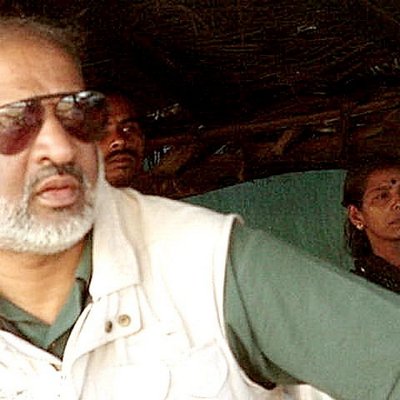 |
| Mohan Guruswamy |
IAF deployed "spokesmen" have even been justifying the Rafale purchase because the package includes the Meteor air-to-air missile. The Meteor is the new game changer in the air. It increases the "no-escape" zone for a hostile aircraft by about three times. The Meteor is an active radar guided beyond-visual-range air-to-air missile (BVRAAM) developed by MBDA.
It will offer a multi-shot capability against long range maneuvering targets in a heavy electronic countermeasures (ECM) environment with range in excess of 100 kilometers (62 mi). According to the manufacturer, in a head-on engagement the Meteor provides a no-escape zone three times greater than that of a conventionally powered missile.
But the Meteor missile is not exclusive to the Rafale. The fact is that the Swedish Gripfen has now been integrated with the Meteor and open sources indicate that the IAF too is contemplating integrating the SU-30MKI and Meteor. Even the Tejas can be fitted out with Meteors. So we are not buying the Rafale for the Meteor. Besides missile purchase can never be part of the capital cost of a fighter. Since they are expendable, and presumably mean to be expendable, they should be part of revenue expenditure.
A few months after Narendra Modi and Francois Hollande, then French President, signed the deal, our old friend Anil Ambani signed a deal with Julie Gayet, Hollande’s actress girlfriend on January 24, 2016 to jointly produce a film. Talk about sweetheart deals and sweetening a deal. The French have a long and well honed tradition of dealing with African and Arab tin pot dictators and their leaders, a long line from Giscard D’Estaing to Nicholas Sarkozy, have been known to help themselves a bit on the side too. We know ours do.
This should lend further credence to that. According to Ministry of Company Affairs, Reliance Defence Limited was registered on March 28, 2015. On April 11, 2015 Reliance Defence Limited becomes the main partner in to ensure the 50 percent offset clause under which Dassault and other related French parties will invest half the contract value back in the country. Government officials insist that 74 percent of the offsets will be exported earning 3 billion euros for the country in the next seven years. The experience with all offsets suggests this is far fetched. It has not happened so far.
Incidentally Anil Ambani’s flagship company , Reliance Communications Ltd (stylized as RCom), just defaulted on a major foreign loan and its future ability to fulfill its Rafale offsets commitment should now be in doubt. Recently the IDBI Bank filed an insolvency application to the National Company Law Tribunal (NCLT) seeking debt resolution of Reliance Naval and Engineering, the shipbuilding Anil Ambani company, under the Insolvency and Bankruptcy Code. Yet Reliance Defence is gung ho about fulfilling its Rafale related obligations. It’s not without reason that Anil Ambani is believed to be close to Prime Minister Modi and to some in his close circle.
Make no mistake. The Rafale is a top class 4+Gen fighter. Probably even the best there is. The political dogfight is over the costs. The IAF should be happy that it will soon operate the Rafale and should seek to persuade the politicians that it needs more. The Air Marshals are best advised to stay away from dogfights they are not trained and qualified for.
---
*Well-known public policy expert. Source: Mohan Guruswamy’s Facebook timeline
But the Meteor missile is not exclusive to the Rafale. The fact is that the Swedish Gripfen has now been integrated with the Meteor and open sources indicate that the IAF too is contemplating integrating the SU-30MKI and Meteor. Even the Tejas can be fitted out with Meteors. So we are not buying the Rafale for the Meteor. Besides missile purchase can never be part of the capital cost of a fighter. Since they are expendable, and presumably mean to be expendable, they should be part of revenue expenditure.
A few months after Narendra Modi and Francois Hollande, then French President, signed the deal, our old friend Anil Ambani signed a deal with Julie Gayet, Hollande’s actress girlfriend on January 24, 2016 to jointly produce a film. Talk about sweetheart deals and sweetening a deal. The French have a long and well honed tradition of dealing with African and Arab tin pot dictators and their leaders, a long line from Giscard D’Estaing to Nicholas Sarkozy, have been known to help themselves a bit on the side too. We know ours do.
This should lend further credence to that. According to Ministry of Company Affairs, Reliance Defence Limited was registered on March 28, 2015. On April 11, 2015 Reliance Defence Limited becomes the main partner in to ensure the 50 percent offset clause under which Dassault and other related French parties will invest half the contract value back in the country. Government officials insist that 74 percent of the offsets will be exported earning 3 billion euros for the country in the next seven years. The experience with all offsets suggests this is far fetched. It has not happened so far.
Incidentally Anil Ambani’s flagship company , Reliance Communications Ltd (stylized as RCom), just defaulted on a major foreign loan and its future ability to fulfill its Rafale offsets commitment should now be in doubt. Recently the IDBI Bank filed an insolvency application to the National Company Law Tribunal (NCLT) seeking debt resolution of Reliance Naval and Engineering, the shipbuilding Anil Ambani company, under the Insolvency and Bankruptcy Code. Yet Reliance Defence is gung ho about fulfilling its Rafale related obligations. It’s not without reason that Anil Ambani is believed to be close to Prime Minister Modi and to some in his close circle.
Make no mistake. The Rafale is a top class 4+Gen fighter. Probably even the best there is. The political dogfight is over the costs. The IAF should be happy that it will soon operate the Rafale and should seek to persuade the politicians that it needs more. The Air Marshals are best advised to stay away from dogfights they are not trained and qualified for.
---
*Well-known public policy expert. Source: Mohan Guruswamy’s Facebook timeline
Comments
Post a Comment
NOTE: Hateful, abusive comments won't be published. -- Editor