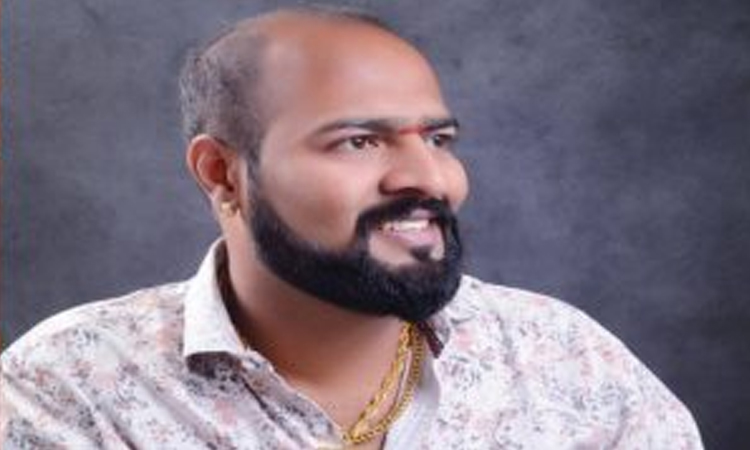
On November 1, 2018, yet another RTI user was killed in Maharashtra for seeking information to expose corruption and wrongdoing. According to media reports, Rohit Ashok Junawane was brutally attacked by nine armed assailants near his residence in Aundh, Pune and died of the injuries.
The National Campaign for Peoples’ Right to Information (NCPRI) has written to the Chief Minister of Maharashtra, demanding immediate action in the matter. The letter calls upon the government to ensure that all the information sought by Junawane is put in the public domain and widely publicized, which would act as a deterrent against such attacks in the future. The letter is also copied to the State Chief Information Commissioner of Maharashtra for necessary action.
Junawane’s killing marks the 78th murder of an RTI user who has been silenced for seeking to show truth to power. The government has failed to implement the Whistle Blowers Protection Act passed by Parliament in 2014 despite the increasing number of attacks and murders of RTI users. Maharashtra has seen the highest number of murders of RTI users.
Text of the letter signed by Anjali Bhardwaj, Nikhil Dey, Pankti Jog, Pradip Pradhan, Rakesh Dubbudu, Shaikh Ghulam Rasool and Venkatesh Nayak:
***
The National Campaign for Peoples’ Right to Information (NCPRI) is gravely concerned about the murder of RTI user, Rohit Ashok Junawane. According to media reports, he was brutally attacked by nine armed assailants near his residence in Aundh, Pune and died of the injuries sustained while undergoing treatment on November 1, 2018.As per media reports, Rohit Ashok Junawane had filed an RTI application at the Pune Municipal Corporation’s Aundh ward seeking information regarding the illegal construction of the house of the main accused in the murder case and his involvement with the Mathadi Labourer’s Union, five days prior to his murder.
Media reports further stated that Mr. Junawane had also been intimated and threatened at the time of filing the RTI application. (“Milk Supplier hacked to death in Aundh by gang of nine men”, November 2nd 2018, Times of India, “Pune man sickled to death by 9 for seeking details of a construction project under RTI”, November 3rd 2018, Times Now, “Milkman killed in Pune for seeking information under RTI”, November 2nd, 2018).
The NCPRI strongly condemns the murder of Mr. Junawane. We urge the Maharashtra government to ensure a thorough investigation into the murder. The state government must ensure that all the information sought by Mr. Junawane is put in the public domain and widely publicized, which would act as a deterrent against such attacks in the future.
Considering the alarming increase in the number of attacks on RTI users in the country, it is imperative that the Whistleblowers’ Protection Act, 2011 (No. 17 of 2014), which is critical to protect people who expose corruption and wrongdoing, be effectively implemented. We hope your government will take steps to urge the central government to implement the law, and in the meantime set up necessary mechanisms to protect whistleblowers.
Comments